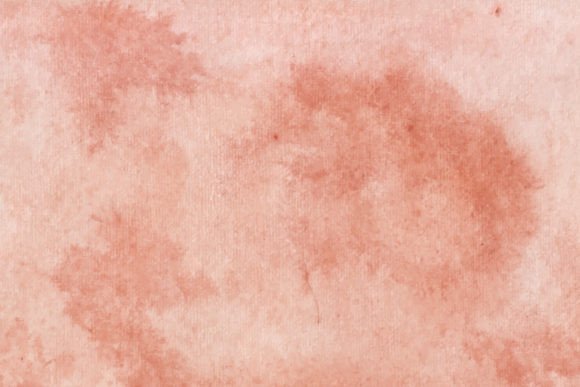
Elevate Your Visual Design with Watercolor Texture Sublimation
In the dynamic world of graphic design, achieving a balance between digital precision and organic, human touch is a constant pursuit. Watercolor texture sublimation offers a powerful solution, blending the fluid, artistic charm of traditional watercolor with the versatility of digital assets. This technique and its resulting textures are becoming a cornerstone for designers seeking to create authentic, emotionally resonant visual communication that stands out in a crowded marketplace.
Understanding the Appeal and Application
At its core, watercolor texture sublimation involves transferring high-resolution, scanned watercolor washes and patterns onto a digital file, typically a JPG, for seamless integration into design workflows. The value lies in its unique ability to inject warmth, movement, and a bespoke aesthetic into projects that might otherwise feel sterile. This is crucial for building a strong brand identity, as these textures can evoke specific feelings—nostalgia, creativity, luxury, or playfulness—that align perfectly with a brand's story.
The practical applications are extensive, making these creative assets incredibly versatile. Consider their role across different design disciplines:
- Branding and Logo Design: Incorporating a subtle watercolor texture into a logo or brand mark can soften a corporate image and add a layer of artistry.
- Marketing and Social Media Graphics: These textures serve as stunning backgrounds for quotes, promotions, and announcements, instantly boosting visual hierarchy and engagement on platforms like Instagram and Pinterest.
- Web and UI Design: Used judiciously in hero sections or as accent elements, they can break the monotony of flat design and guide the user's eye, enhancing the overall user experience.
- Packaging and Editorial Design: For product labels, book covers, or magazine layouts, watercolor elements create a tactile, premium feel that attracts consumer attention and elevates the perceived value of the content.
Integrating Textures Effectively into Your Workflow
Simply having a beautiful texture isn't enough; strategic implementation is key. When selecting a digital paper pack, such as one containing a high-quality JPG file in a convenient zip file, evaluate it for consistency with your project's color palette and mood. A colorful sublimation texture might be perfect for a children's brand but could clash with a minimalist tech startup's aesthetic.
For a professional presentation, remember these principles:
- Visual Hierarchy: Use the texture to support, not overpower, your primary message. It should complement typography and key imagery.
- Readability: Ensure sufficient contrast between text and the textured background. Often, a semi-transparent overlay or a textured panel away from body copy works best.
- Scalability: High-resolution files are non-negotiable. A pixelated texture undermines professionalism, especially in print design for business cards or merchandise.
By thoughtfully integrating these assets, you streamline your design workflow while achieving a polished, cohesive result. The right texture acts as a silent ambassador for quality, subtly communicating attention to detail and creative investment. Ultimately, leveraging resources like watercolor texture sublimation empowers designers to bridge the gap between digital output and human connection, creating work that is not only seen but felt. This thoughtful approach to design resources is what transforms good projects into great ones, fostering deeper engagement and leaving a lasting impression.