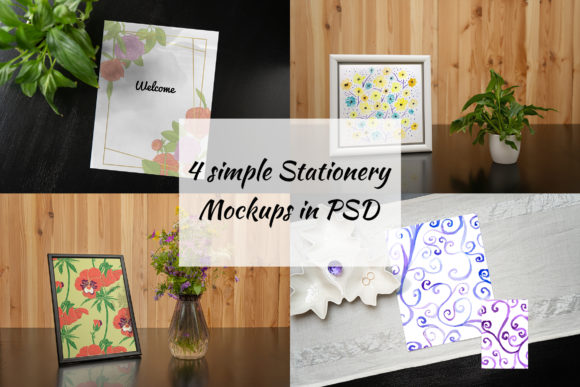
Elevate Your Designs with Simple Stationery Mockups
Every designer knows the challenge: a brilliant logo or intricate pattern looks perfect on screen, but how will it translate to a physical business card or elegant letterhead? This is where a versatile collection of simple stationery mockups becomes an indispensable tool in your creative arsenal. This particular set, containing 4 PSD files and 4 JPEG previews, is designed for effortless use, allowing you to present artworks, cards, letterheads, and invitations with stunning realism and professional polish.
In today's visually driven market, a strong brand identity extends far beyond a single logo. It's a cohesive system of visual elements that communicates your values at every touchpoint. Stationery mockups bridge the gap between digital design and tangible application. They allow you to test how your typography, color palette, and logo design interact with physical materials, ensuring your brand identity is robust and consistent across all platforms—from business cards to corporate envelopes.
Practical Applications for Modern Designers
The true power of a simple stationery mockup lies in its versatility. This asset can streamline your design workflow and enhance presentations across numerous projects:
- Branding and Logo Design: Showcase a complete brand identity system. Present your logo on a letterhead, business card, and folder to demonstrate its scalability and application, giving clients a tangible vision of their new brand.
- Marketing and Social Media Graphics: Create compelling social media content for platforms like Instagram or LinkedIn. A flat-lay mockup of a branded notebook and pen can make a promotional post for a new service or product look authentic and engaging.
- Web and UI Design: Use mockups within website hero sections or portfolio galleries. A realistic presentation of a brand's collateral adds depth to a case study and improves the overall user experience of your own design portfolio.
- Packaging and Merchandise: Visualize how patterns, textures, and logos will appear on physical items like tote bags, mugs, or product packaging. This is crucial for e-commerce businesses and designers working on merchandise lines.
- Presentations and Proposals: Elevate client pitches. Instead of showing a flat logo, present it on a mocked-up invoice and compliment slip. This demonstrates thoroughness and helps stakeholders visualize the final result, building confidence in your work.
Tips for Effective Mockup Implementation
To maximize the impact of these creative assets, consider a few key principles of visual design. First, maintain consistency. Ensure the style of the mockup (e.g., minimalist, textured, aerial view) aligns with your brand's overall aesthetic. A sleek, modern brand might use a clean, white-background mockup, while a artisanal brand could benefit from a texture-rich surface.
Second, pay attention to visual hierarchy. The mockup should frame your design, not compete with it. Use smart objects in PSD files to easily insert your artwork, and adjust lighting and shadows to ensure your design elements are the focal point. The goal is a professional presentation that highlights your typography, imagery, and layout.
Finally, think about audience expectations. A mockup for a luxury fashion brand will differ vastly from one for a tech startup. Select scenes that resonate with the target user's world. This thoughtful approach to presentation reinforces your design's narrative and strengthens its communicative power.
Ultimately, integrating high-quality mockups into your process is about more than just aesthetics; it's about effective visual communication. By demonstrating how designs function in the real world, you provide clarity, build trust, and create a more compelling story for your creative projects. Investing in versatile, easy-to-use assets like this simple stationery mockup collection empowers you to produce work that is not only visually beautiful but strategically sound and ready for any medium.