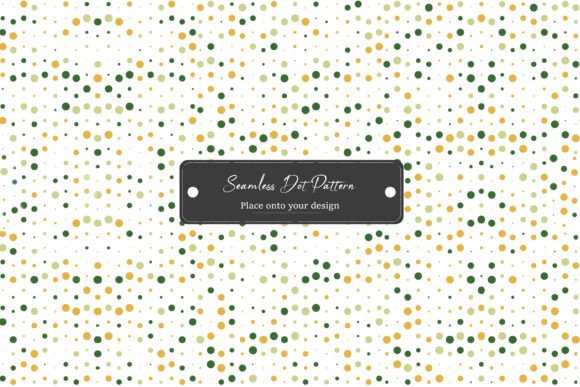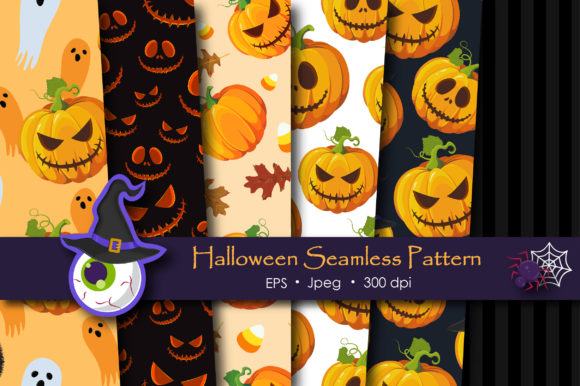
Elevate Your Visuals with Random Geometric Pattern Backgrounds
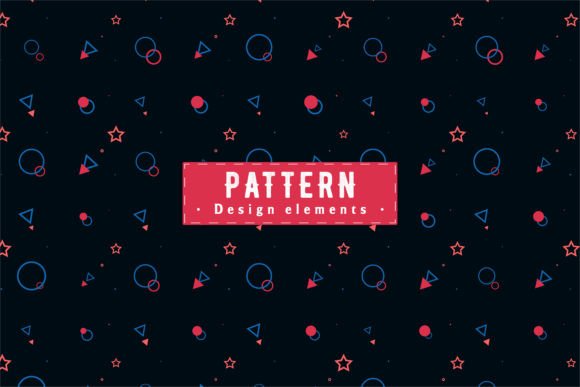
Imagine a design foundation that instantly communicates modernity, precision, and dynamic energy. A Random Geometric Pattern Background achieves exactly this, offering a sophisticated visual language that captivates and engages. This abstract background design is more than mere decoration; it is a strategic asset that injects structure, rhythm, and contemporary aesthetics into any creative project, from digital interfaces to physical packaging.
The Strategic Value of Geometric Patterns in Design
In the realm of graphic design, visual elements must serve a purpose. A thoughtfully designed geometric pattern does more than fill space. It establishes a visual hierarchy, guides the viewer's eye, and reinforces brand identity. The structured yet dynamic nature of geometric forms—squares, triangles, circles, and lines—creates a sense of order and innovation. This makes them particularly effective for brands aiming to project qualities like technology, stability, creativity, or forward-thinking vision.
The true power of a Random Geometric Pattern Background lies in its versatility. Unlike a static, repeating tile, a well-crafted random pattern feels organic and fluid while maintaining geometric integrity. This subtle complexity adds depth and interest without overwhelming the primary content or typography. It serves as a perfect backdrop for text, logos, and product images, enhancing visual communication rather than competing with it.
Practical Applications Across Creative Projects
Integrating this design asset into your workflow can transform numerous outputs. Consider its application across these key areas:
- Branding & Logo Design: Use the pattern as a secondary brand element on business cards, letterheads, and brand guidelines to build a cohesive and memorable identity system.
- Digital Marketing & Social Media: Create eye-catching posts, stories, and ad banners. The pattern's modern aesthetic aligns perfectly with current design trends, boosting engagement on platforms like Instagram and LinkedIn.
- Web & UI Design: Apply it as a subtle website hero section background, app onboarding screen, or dashboard component to enhance user experience with a clean, professional presentation.
- Editorial & Packaging Design: Elevate book covers, magazine layouts, and product packaging. The abstract nature allows for creative pairing with bold typography and product photography, resulting in a high-end, shelf-stopping design.
- Presentations & Merchandise: Transform standard slides into compelling narratives and turn ordinary merchandise into desirable items with a unique, artistic flair.
Tips for Effective Implementation
To maximize impact, consider these practical guidelines when using a geometric pattern background:
- Ensure Consistency: The pattern should complement your existing color palette and brand personality. Adjust colors if the asset is fully editable to ensure seamless integration.
- Prioritize Readability: Always test text legibility over the pattern. Use solid color overlays, text boxes, or strategic placement to maintain a clear visual hierarchy and ensure your message is communicated effectively.
- Consider Scalability: High-resolution files, like the included EPS vector format, are crucial. They ensure your design remains crisp and professional across all scales, from a small business card to a large trade show banner.
- Balance Complexity: Let the pattern support, not dominate. Pair it with clean sans-serif fonts for a modern look or with elegant serifs for a more sophisticated feel. This balance is key to a polished, professional result.
Ultimately, the assets you choose define the quality of your output. A versatile, high-quality Random Geometric Pattern Background is an investment in your design workflow and creative potential. It provides a reliable foundation for innovation, allowing you to produce visually stunning, cohesive, and effective designs that resonate with your audience and elevate your brand's visual communication. Thoughtful selection and application of such resources are what separate good design from great design.